Connect
with us
with us


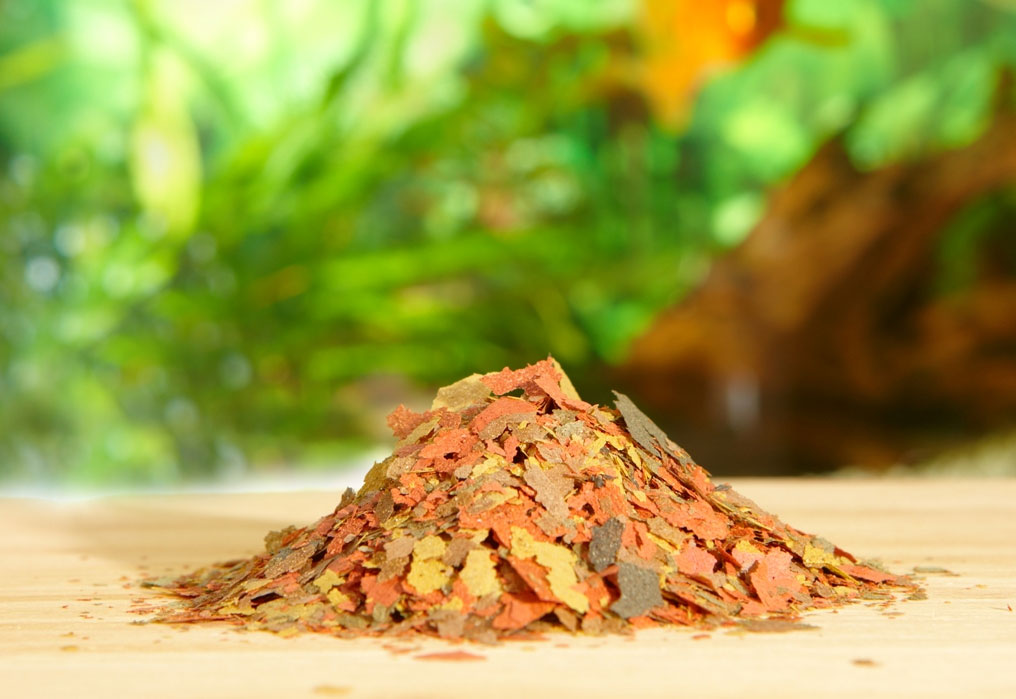
Feeding depends on the age and the type of fish.
In general, young fry sized fish need multiple feedings a day. Their growth rates are at the highest points of their lives and due to the limited size of their ability to consume food at one sitting must eat regularly and frequently for their bodies to have the nutrients needed to keep pace with their metabolisms.
As they get older the growth rates slow from 100% increases in a week or less to eventually no growth at all for adult fish.
As they grow the needs lessen. Depending on the species and their normal habits that may reduce to once a week or so for big carnivores with low activity levels and dietary needs. Continuing to feed these fish at paces accelerated to our thinking can lead to extreme obesity and in some cases may shorten life spans.
A big carnivore out in the wild may spend most of it's time sitting still in hiding awaiting the food to come to him. When it does they pounce and pounce hard and fast on it. Reference the typical bass fisherman casting up into cover where the fish are more likely sitting and waiting to pounce as opposed to swimming around actively in the open waters.
This can also change in times of breeding. Some fish will not eat while egg guarding and fry rearing are taking place.
Some fish like danios are active fast metabolism fish. They need frequent feedings to keep pace with the calories they burn off.
Some species like the ottos and plecos tend to be grazers. They’ll eat continually throughout the day and night. They aren't capable of swallowing big meals all at once and must forage continually to sustain themselves. This also explains the lose rates somewhat between shipping from sterile tank to sterile tank to store tank. They come in literally starving and need to eat.
Fish are very efficient at getting the most from what they do eat. Larger carnivores like sharks can go months without eating, much like snakes on land. When they do eat they swallow enormous amounts of food at once and can go through a lethargic stage afterwards while digestion takes place similar to grandpa in front of the TV after a Thanksgiving dinner.
Some fish like scats can eat waste, it’s more of a survival technique to reclaim lost nutrients and hold them over until better alternatives are found but they also have adapted systems to deal with the excess urea. There’s a Discovery special on an entire pond whose ecosystem is built around hippo poo as the main diet.
Don't forget balance. A fish dining on algae all day needs a little protein supplementation to replace the insect larvae and items they would be coming across regularly in the wild. A fish eating high protein foods needs some veggie to replace that, which would be brought into them inside the fish or life forms they would be eating in the wild.
Keep temperature variations in mind also. The colder the water is the slower the fish’s metabolism. The fish will need less food in this situation. When the water is warmer the metabolism and activity level increase. This in turn increases the need for food. At the same time the warmer water holds less oxygen. Be careful not to overfeed. The food that goes uneaten can quickly foul the water and in lower oxygen conditions the increase in oxygen consumption by the lower life forms reproducing rapidly to consume the excess food and wastes can further deplete the available oxygen in the water needed by the fish.
Try not to associate fish with people. Many species do not have a traditional stomach that can expand to hold large meals like our stomachs do. The stomach serves more as a brief stop over on the way to the digestive tract. We burn calories trying to stay warm or shed liquids trying to stay cool. Our bodies being warm blooded are different from the needs of cold-blooded animals and fish. Yes, there are a few species of fish that are warm blooded.
There is no easy answer to how often to feed and that answer will never be universal. Too many variables involved. Once I'm dealing with adults of many species the feedings may be once a day to once a week depending on species. Young will always be multiple.
Observation is the key. Look at your fish. If they're overweight in appearance do something about it. If they're skinny, make an adjustment.
All you Ever Wanted to Know about Water Hardness
Aquarium Maintenance and Water Quality
Aquarium Medications, Treatments, and How They Work
Caring for Your Fish While You Are Out
Controlling Algae by Controlling Phosphate
Fishless Cycling - Variations and Applications
Healthy Fish Tips: 5 Easy Ways to Keep Your Fish Healthy
How Much Should I Feed My Fish
How to Properly Maintain your Aquarium
Making your Aquarium Move Safe and Manageable
My Experiences Weathering Winter Storms with Aquariums
Recycling a Used Aquarium from a Garage Sale
Simple Tips for a Healthy Aquarium
Summer and Winter Care for Your Planted Tank
Summer Health Tips for Aquarium Fish
Tackling Aquarium Algae Problems
Thoughts on Aquarium Equipment Maintenance
Understanding Ammonia and Fish-less Tank Cycling
What Every Fishkeeper Should Know About pH