|

|
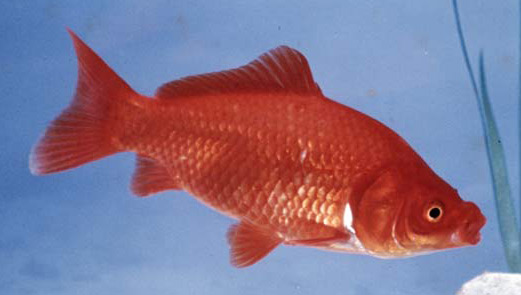
Goldfish (Carassius auratus auratus) |
|
|
Scientific Name(s): Carassius auratus auratus
Common Name(s): Goldfish, Gold Fish, Golden Carp
Family: Cyprinidae
Species Type: Cyprinids
Maximum Size: 24 inches
Life Span: 20 years
Natural Habitat: East Asian rivers
Minimum Tank Size: Small goldfish can be housed in small tanks around 10 gallons or so. As goldfish grow they are more suited for like in huge tanks or even ponds as these fish can reach two feet in length! So if you are going to keep this fish long term plan on a tank size of up to 200 gallons
Tank Region: All over
|
|
Possible Tank Mates: Should not be mixed with tropical fish. Only other coldwater fish.
Description: The quintessential goldfish is one of the most common fish in the fishkeeping hobby. Often misunderstood and disrespected, goldfish can grow to very large sizes and can be truly beautiful specimens to behold.
All types of goldfish are cold water fish so do not mix them with tropical fish as they require a less temperature than tropical fish. Relatively easy to keep, common varieties are hardier than most breeds. Goldfish are very active fish and require plenty of swimming room, so prospective goldfish owners need to accommodate that. Medium to large ponds are best, as they afford the fish much more room than most tanks. If kept in a tank a very large tank is required, with excellent filtration and frequent water changes.
Temperature Range 33°F - 80°F
|
| 60°F |
65°F |
70°F |
75°F |
80°F |
85°F |
90°F |
| pH 5.0 |
pH 6.0 |
pH 7.0 |
pH 8.0 |
pH 9.0 |
|
Breeding Information: Breeding is quite easy with goldfish. Feed the fish a quality diet with a lot of protein and live foods. Excellent water quality also helps to encourage the fish t spawn. Provide a good nesting spot such as soft vegetation or a spawning mat. Once the conditions are right, begin to slowly raise the water temperature to 75 degrees F over the span of a few days. Once eggs are laid, immediately remove them from the tank to prevent the parents from eating their young. Eggs hatch in about 4-6 days. |
Sexing Information: Males tend to have small white bumps called tubercles on their pertoral fins and gill covers. Females tend to wider than males. |
Diet: Omnivorous - feed a mixed diet of flake or pellet food, live foods such as worms or mysis shrimp and provide vegetation for them to nibble on. Temperment: Generally peaceful but may eat smaller tankmates.
|
Common Diseases: None specific to species. |
|
|
|
|
|



 African Catfish